What Is an Electric Servo Press and How Does It Work?
How an electric servo press works, why it gives precise force and position control, and when it is the right choice over a hydraulic press.
In this article
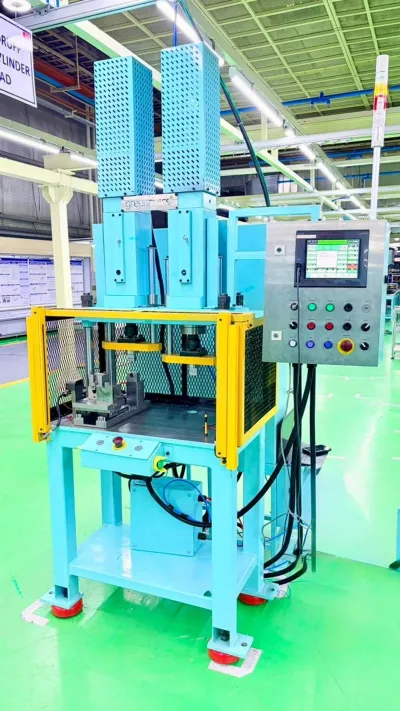
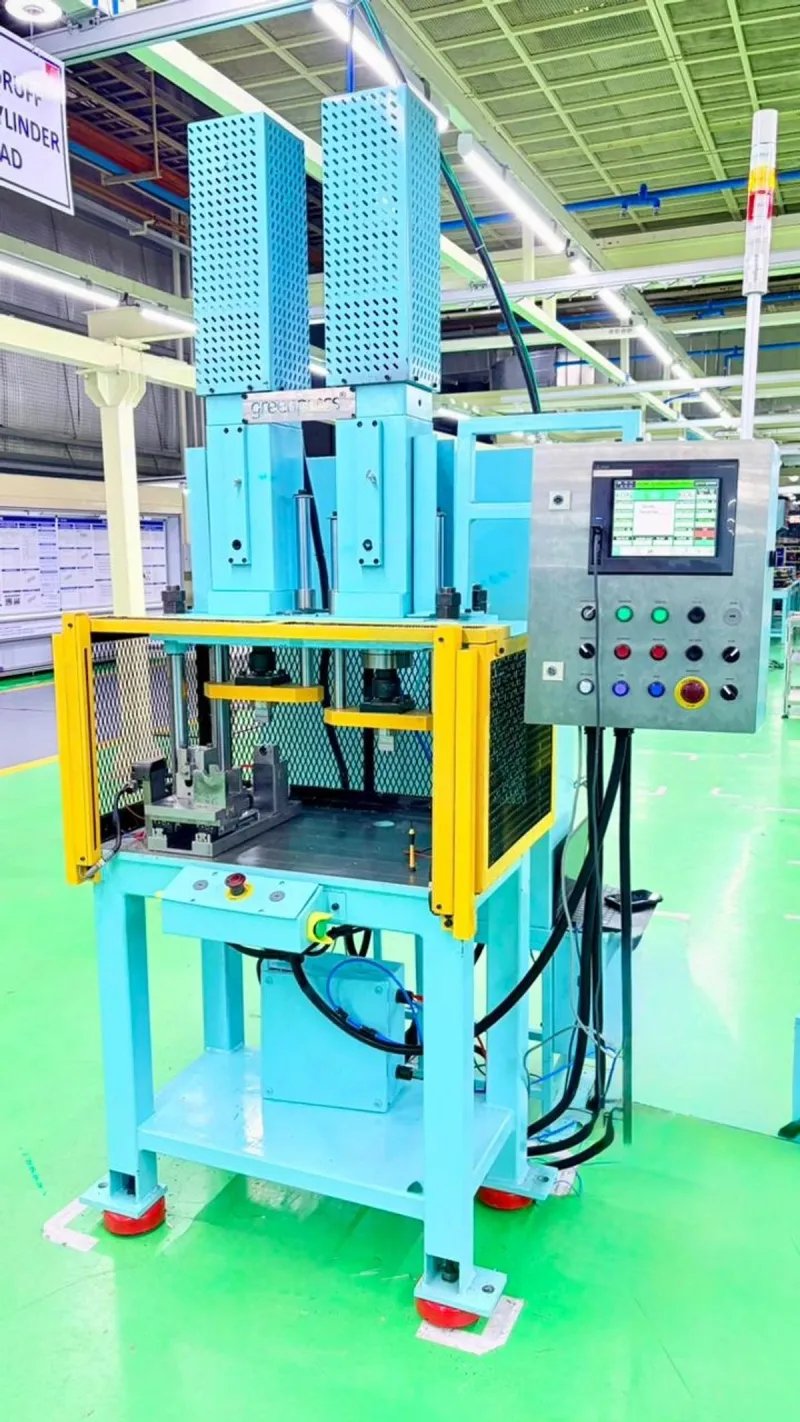
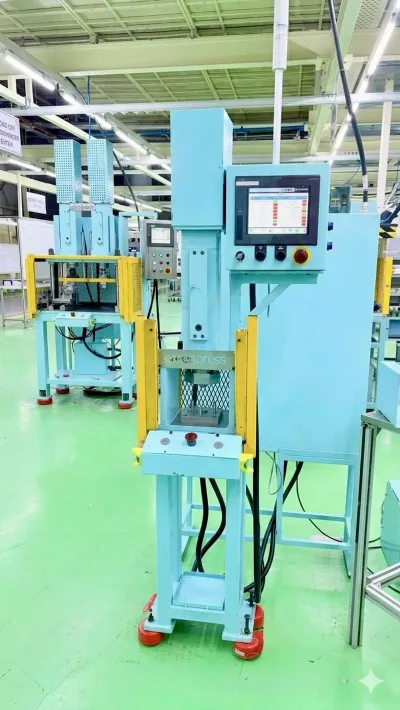
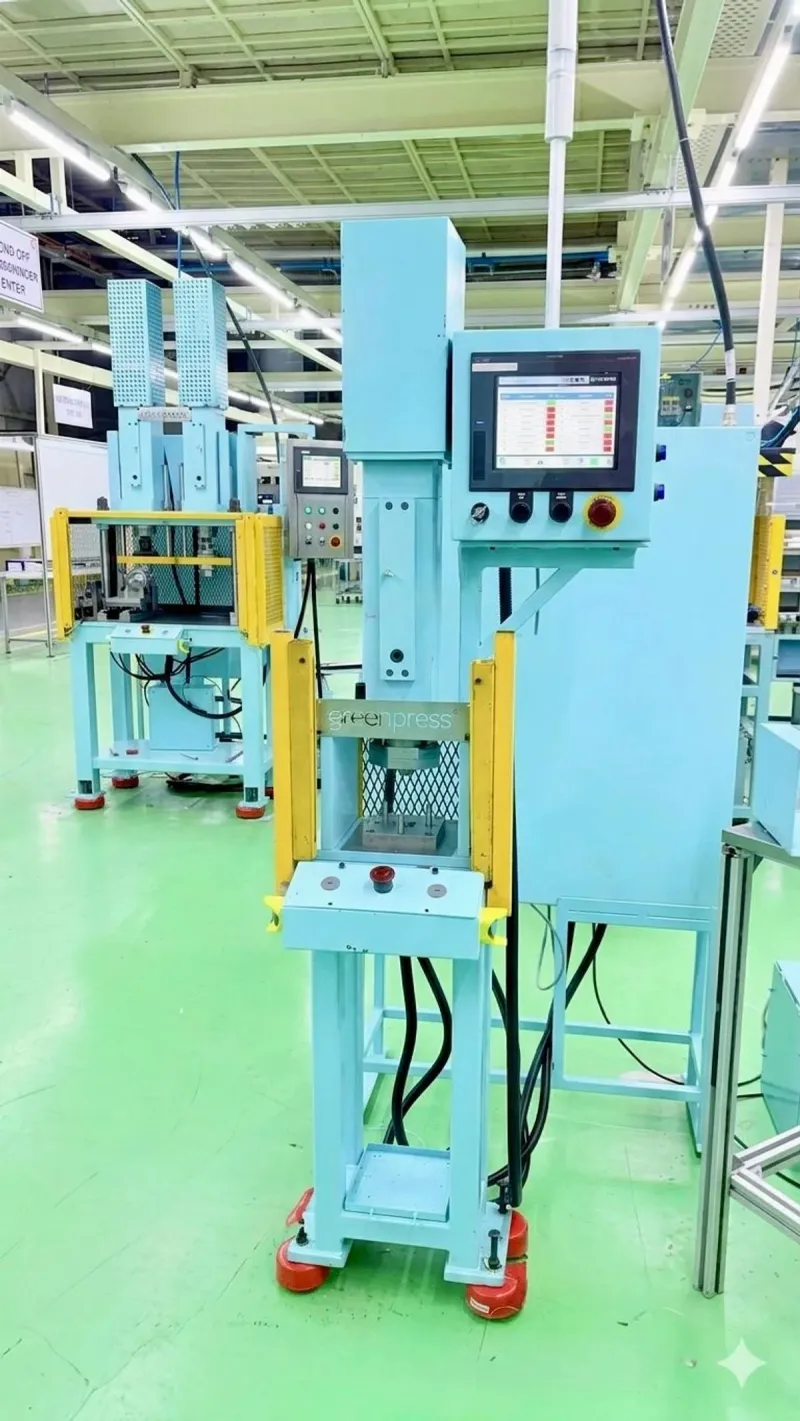
An electric servo press is a press in which the ram is driven by a servo motor instead of a hydraulic cylinder or a flywheel. It is becoming the first choice for precision assembly in automotive, EV battery, electronics and medical manufacturing. This article explains what a servo press is, how it works, and when it makes sense to buy one.
How an electric servo press works
A servo motor turns a precision ball screw (directly or through a belt), and the ball screw moves the ram up and down. The servo drive controls the motor's position, speed and torque many times every second. Because of this, the press can stop at an exact position, apply an exact force, or follow a programmed force–position profile.
Many servo presses also have a load cell (force sensor) and a position measurement such as an LVDT. Together they record a force–displacement curve for every part.
Main advantages of a servo press
- Precise control: force, position, speed and stroke can be set for every step.
- 100% part checking: each press-fit can be checked against a force–displacement window, and bad parts are flagged immediately.
- Traceability: results can be stored for every part — important for automotive and medical customers.
- Low energy use: power is drawn mainly while the ram is moving, unlike a hydraulic power pack that runs continuously.
- Clean and quiet: no hydraulic oil to manage, no leaks.
- Quick changeover: different programs for different parts can be selected on the HMI.
Typical servo press applications
- Bearing, bush, seal and shaft press-fitting
- Gear and Woodruff key pressing
- Riveting, crimping, caulking and punch marking
- EV battery and motor component assembly
- Electronics and connector insertion
See more in our article on servo press applications in Indian manufacturing.
Servo press or hydraulic press?
Choose a servo press when accuracy, part-by-part checking and clean operation matter most, and the force is moderate. Choose a hydraulic press when you need high tonnage, a long stroke or pressure hold — for forming, drawing, forging or moulding. Our servo press vs hydraulic press guide compares them in detail.
Things to specify when buying a servo press
- Maximum force (tonnage) and stroke
- Required position and force accuracy
- Frame type: C-frame, 2-post or 4-pillar
- Whether you need force–displacement monitoring and data storage
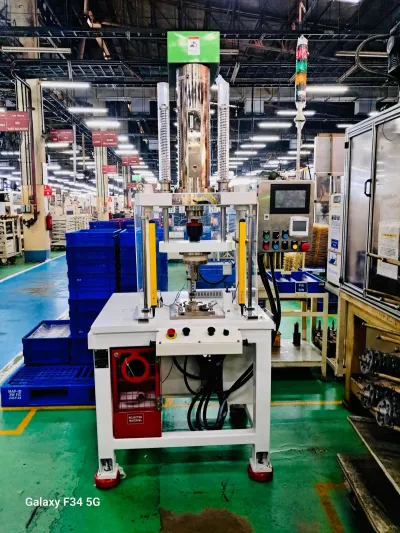
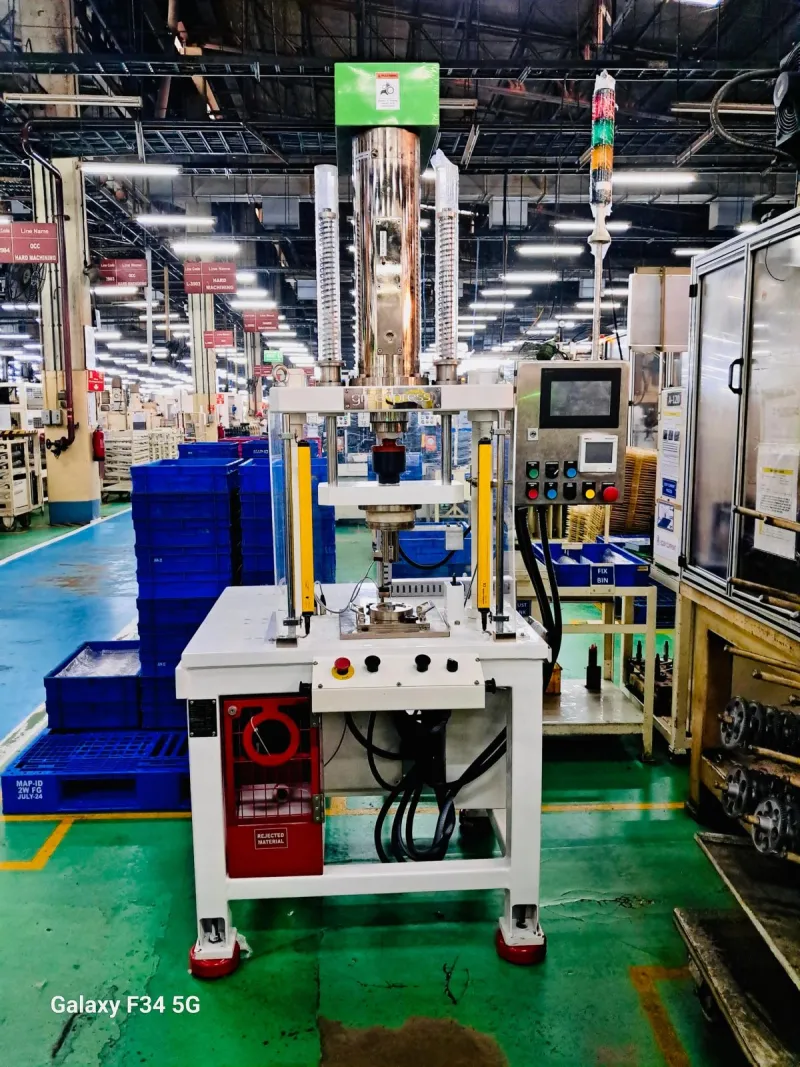
- Safety: light curtain, guarding, two-hand start
- Cycle time and how parts will be loaded
GreenPress® electric servo presses
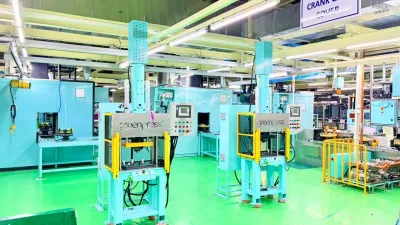
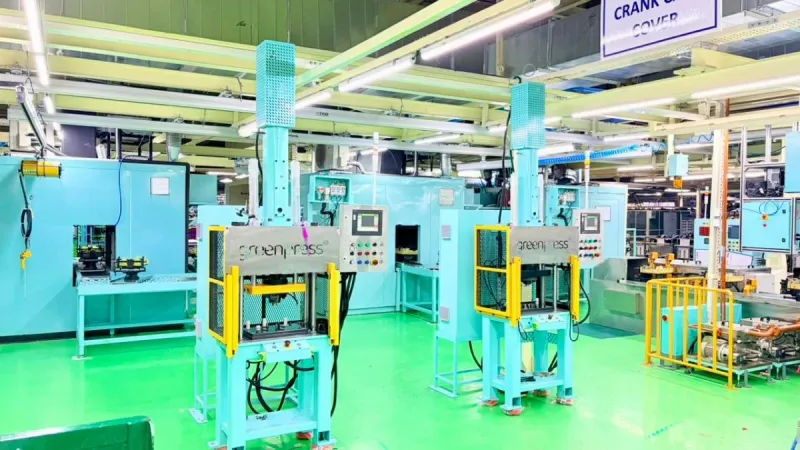
Faridabad-based GreenPress® builds electric servo presses, from small units such as the 0.2 ton servo press and the 3 ton 4-pillar servo press to the 50 ton C-frame servo press, with optional force sensors and LVDT measurement. Tell us about your part and we will suggest the right model.