Servo Press vs Hydraulic Press: Which One Is Right for Your Factory?
Servo presses give programmable force and position with low energy use; hydraulic presses give high, steady force at a lower price. Here is how to choose.

In this article
Choosing between a servo press vs hydraulic press is one of the most common questions we hear from production managers. Both machines push a ram with controlled force, but the way they create and control that force is very different. That difference decides accuracy, running cost, maintenance and, finally, the quality of your parts.
How a servo press works
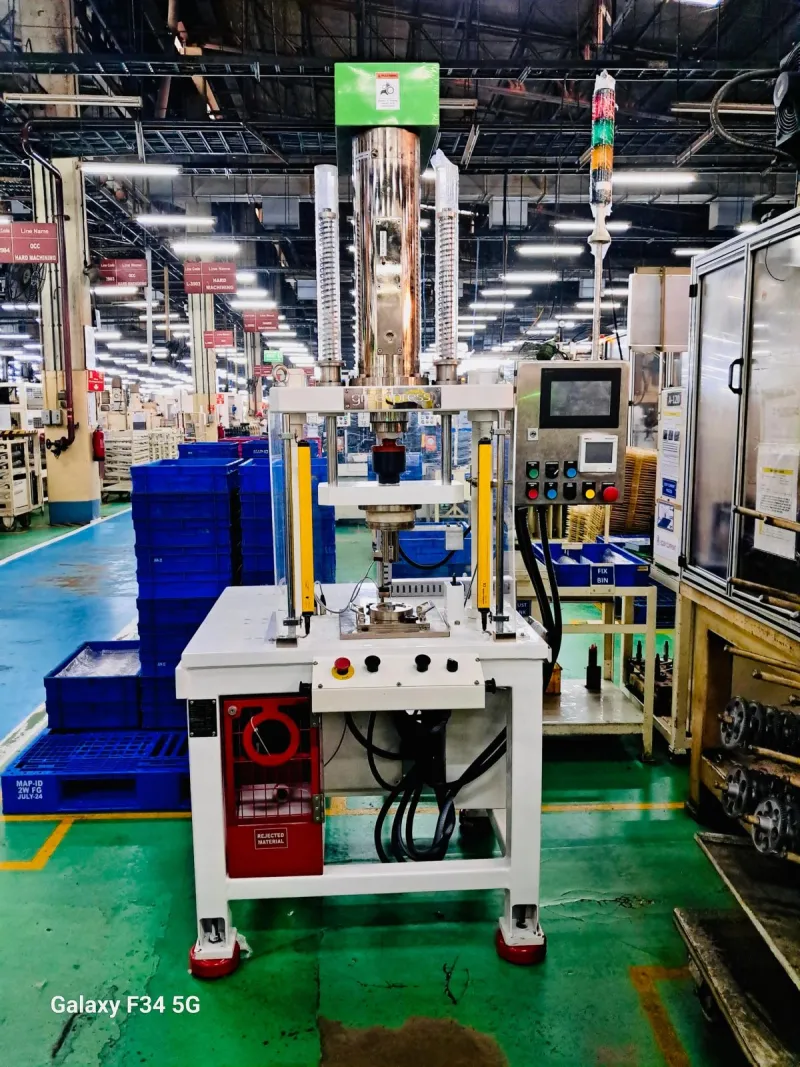
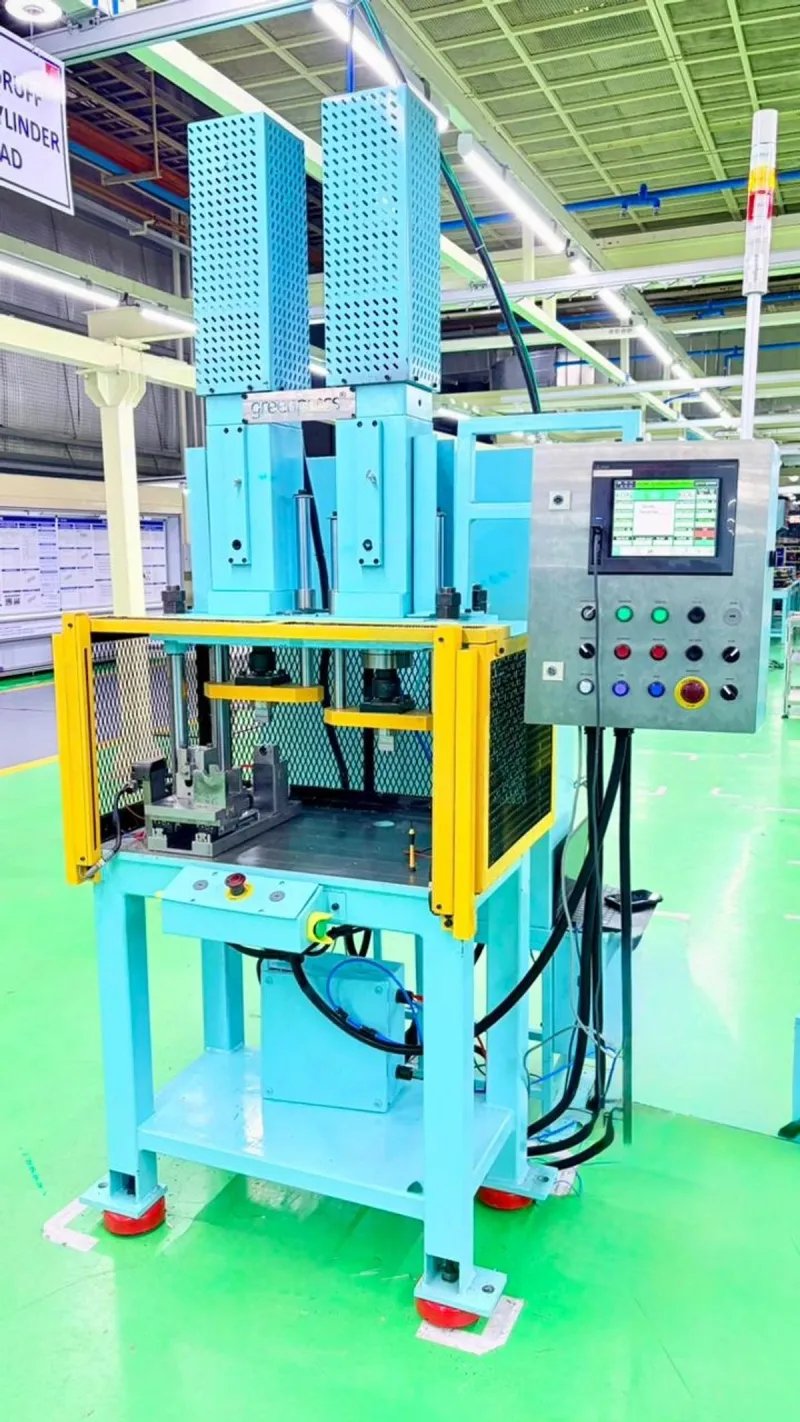
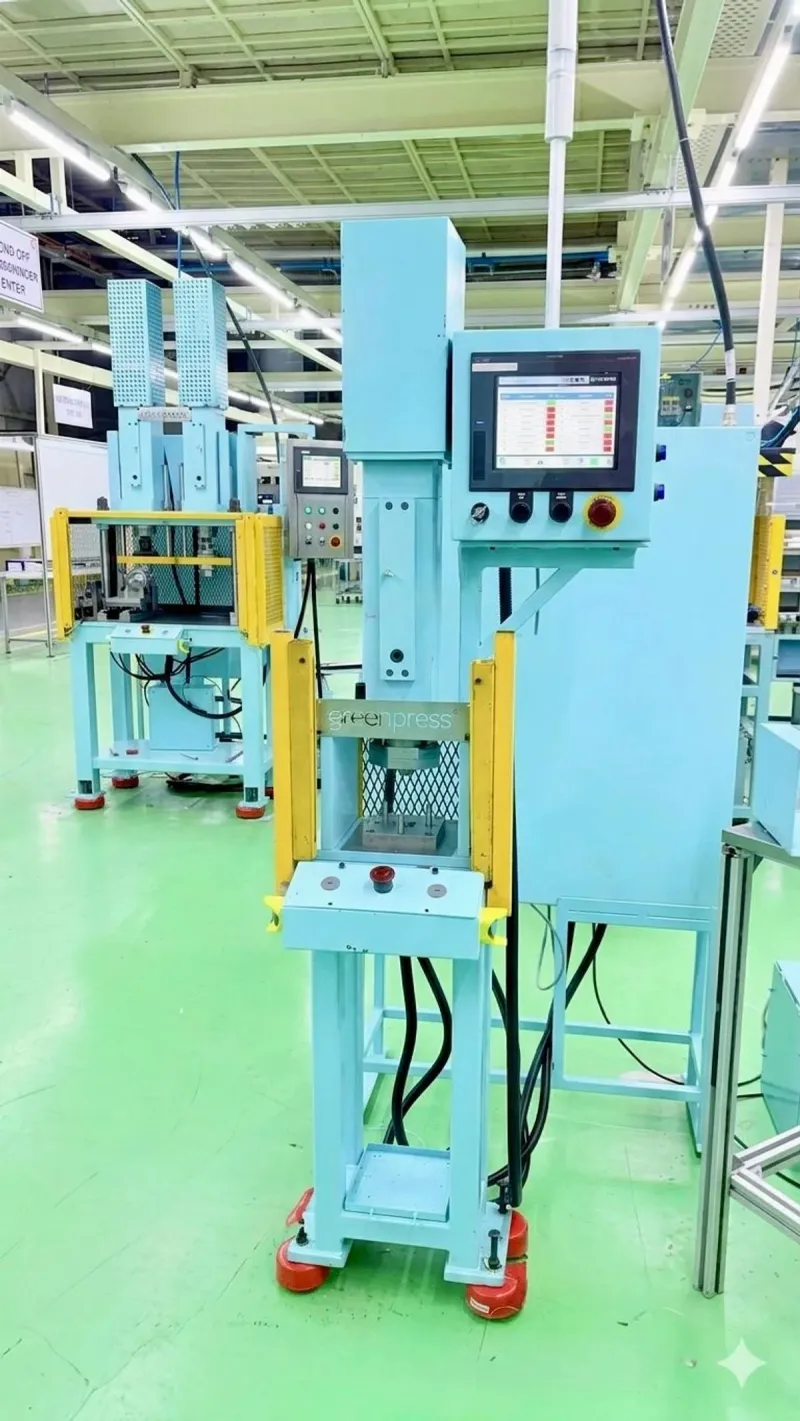
An electric servo press uses a servo motor and a precision ball screw (or similar drive) to move the ram. The controller knows the exact ram position and, with a load cell, the exact force at every moment. You can program the speed, the force limit and the stop position for each part, and the press draws power only while the ram is moving.
How a hydraulic press works
A hydraulic press uses a pump, valves and a cylinder filled with oil. Pressure in the cylinder creates the force. Hydraulic presses are excellent at delivering high, steady force over a long stroke, and the machine itself usually costs less per ton of capacity than a servo press.
Servo press vs hydraulic press: side-by-side
- Accuracy and repeatability: a servo press stops at a programmed position and can check every part against a force–displacement window. A hydraulic press is repeatable, and with an LVDT sensor and pressure switches it can be very consistent, but fine position control is harder.
- Energy use: a servo press uses power mainly while pressing. A hydraulic pump usually runs continuously, so idle energy use and heat are higher.
- Maintenance: servo presses have no hydraulic oil, filters or seals to change and no risk of oil leaks near clean parts. Hydraulic presses need regular oil and seal care.
- Force range: servo presses are ideal from very small forces up to around 100 ton. For several hundred tons, forming, forging and deep drawing, hydraulic presses are usually the practical choice.
- Cost: a hydraulic press normally has a lower purchase price. A servo press often pays back the difference through energy savings, fewer rejects and traceable quality data.
When to choose a servo press
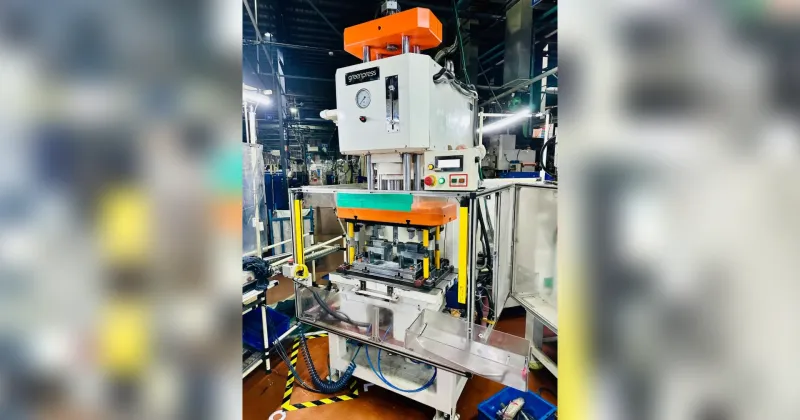
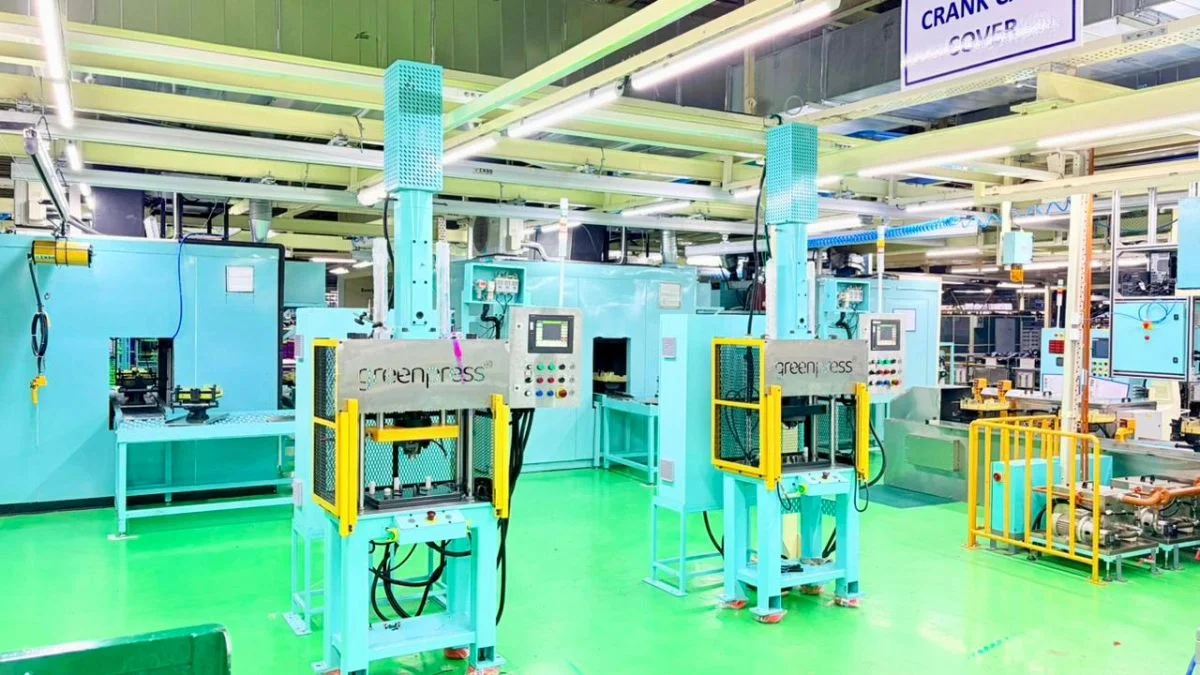
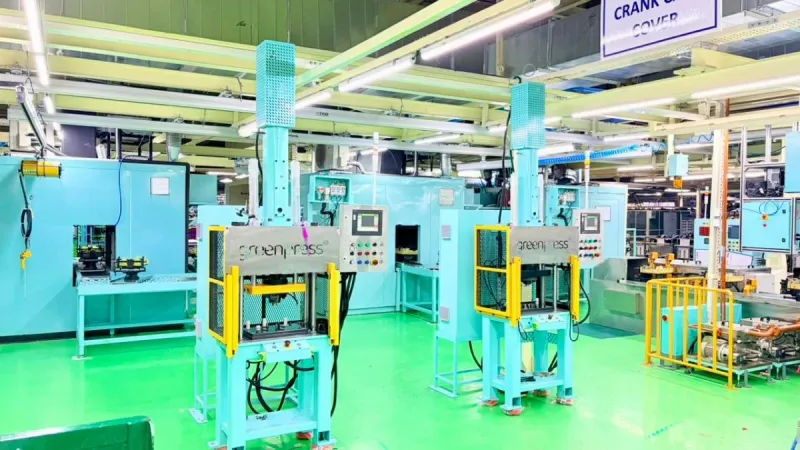
Choose a servo press when quality must be proven part by part: bearing pressing, press-fitting pins and bushes, riveting, battery and electronics assembly, and medical components. If your customer asks for force–displacement curves or 100% inspection data, a servo press is the right tool. See our electric servo presses from 0.1 to 100 ton.
When to choose a hydraulic press
Choose a hydraulic press for high tonnage and long strokes: forming, deep drawing, trimming, moulding, straightening and heavy assembly. If your process needs hundreds of tons and the tolerance is not in microns, a hydraulic press gives the best value. See our hydraulic presses from 1 to 1000 ton.
A simple way to decide
- Write down the maximum force your part needs, and add a safety margin of 20–30%.
- Note the stroke length and the required cycle time.
- Decide whether you need to record force and position for every part.
- Compare running cost (power, oil, maintenance) over five years — not only the purchase price.
Still not sure? Send us your part drawing and production volume through the enquiry form or WhatsApp. Our engineers will suggest the right press, tooling and safety options for your application.