Hydraulic Press vs Power Press: Which One Does Your Job Need?
A simple comparison of hydraulic presses and mechanical power presses - force, speed, stroke and the jobs each one suits best.
In this article
Hydraulic presses and power presses (mechanical presses) are both used to cut, form and press metal, but they work very differently. Choosing the wrong one can mean broken tools, poor parts or wasted money. This guide compares a hydraulic press and a power press so you can decide which one your job needs.
How a power press works
A power press uses a motor, a flywheel and a crankshaft (or eccentric) to move the ram. The flywheel stores energy and releases it in a fast, fixed stroke. Full force is available only near the bottom of the stroke. Power presses are very fast and are widely used for blanking, piercing and shallow forming in high volumes.
How a hydraulic press works
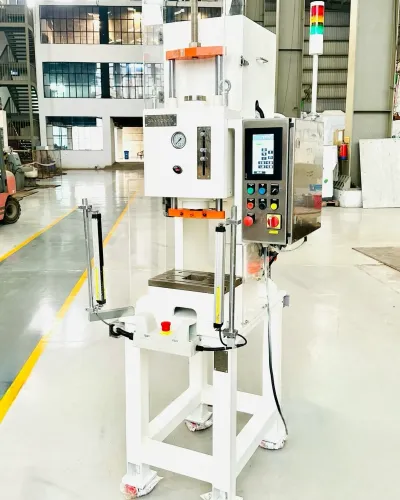
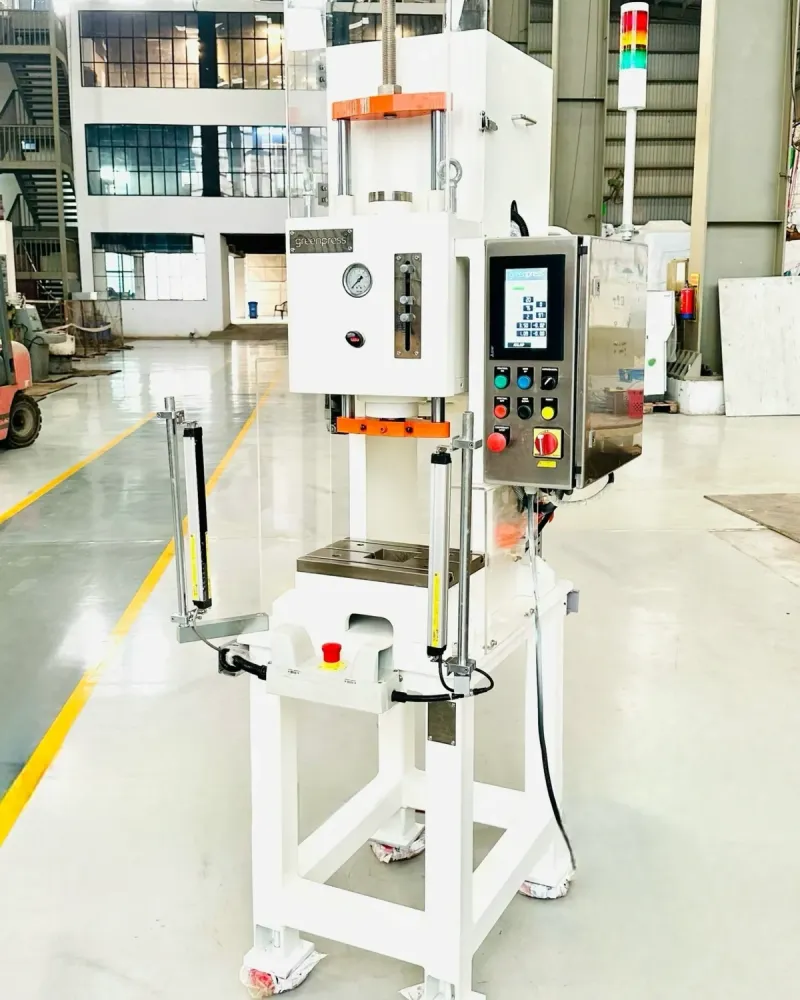
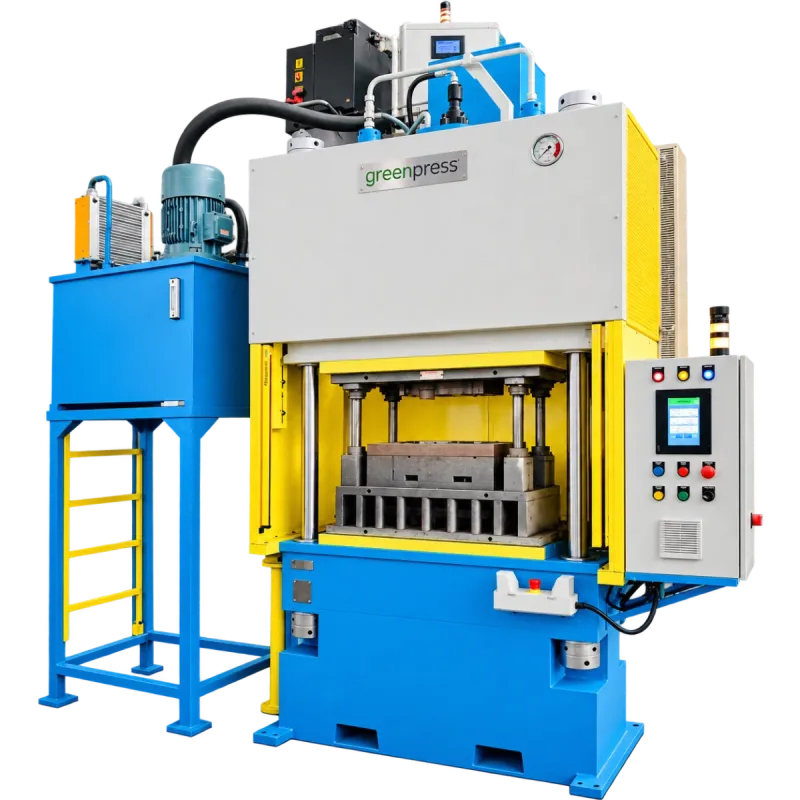
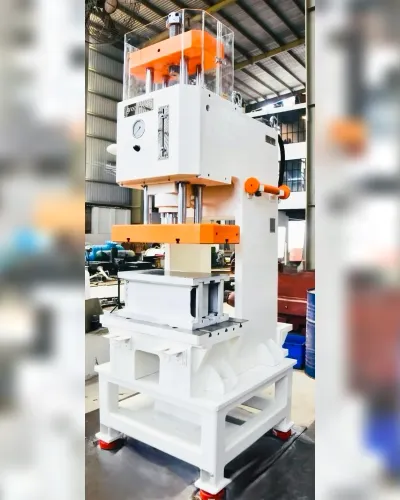
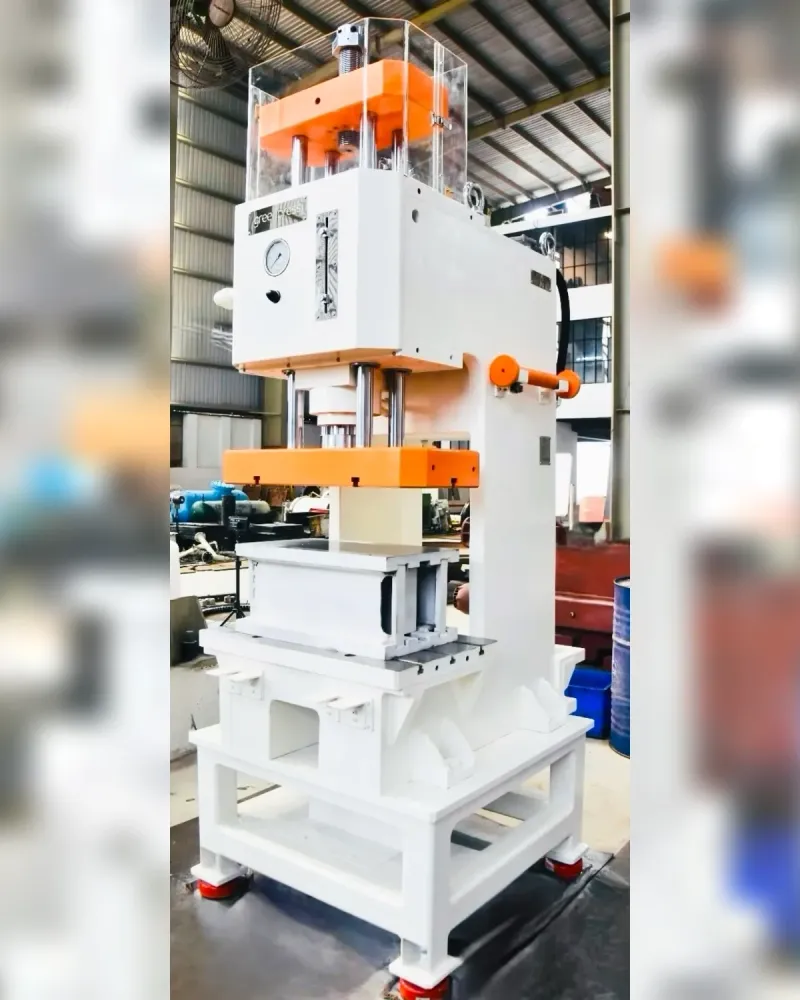
A hydraulic press uses a pump to push oil into a cylinder. The cylinder moves the ram with a force that can be controlled and held. Full tonnage is available anywhere in the stroke, the speed can be slowed during pressing, and the ram can dwell (hold pressure) for as long as needed.
Hydraulic press vs power press: key differences
| Point | Hydraulic press | Power press |
|---|---|---|
| Force | Full force at any point of the stroke | Full force only near the bottom of the stroke |
| Speed | Slower; speed can be set for each stage | Very fast, fixed stroke |
| Stroke length | Adjustable, can be long | Fixed by the crank |
| Pressure hold (dwell) | Yes | No |
| Overload protection | Built in with the relief valve | Needs extra devices |
| Best for | Deep drawing, forming, forging, moulding, assembly, press-fitting | High-speed blanking, piercing, shallow forming |
When to choose a hydraulic press
- Deep drawing and forming, where the metal must flow slowly
- Forging, coining and compaction, where full force is needed over a longer stroke
- Rubber and composite moulding, where pressure must be held
- Assembly and press-fitting of bearings, bushes and shafts
- Jobs that change often, because stroke, speed and force are easy to adjust
When to choose a power press
- High-volume blanking and piercing of sheet metal
- Progressive dies running thousands of strokes per hour
- Jobs where cycle speed matters more than force control
What about an electric servo press?
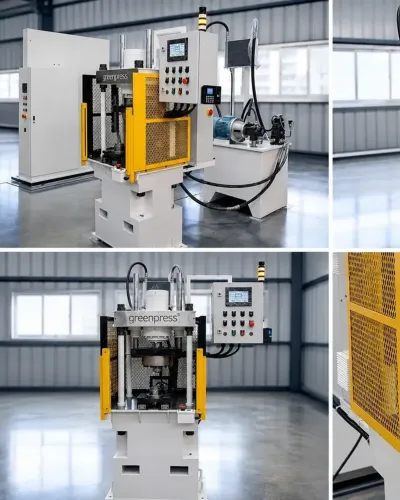
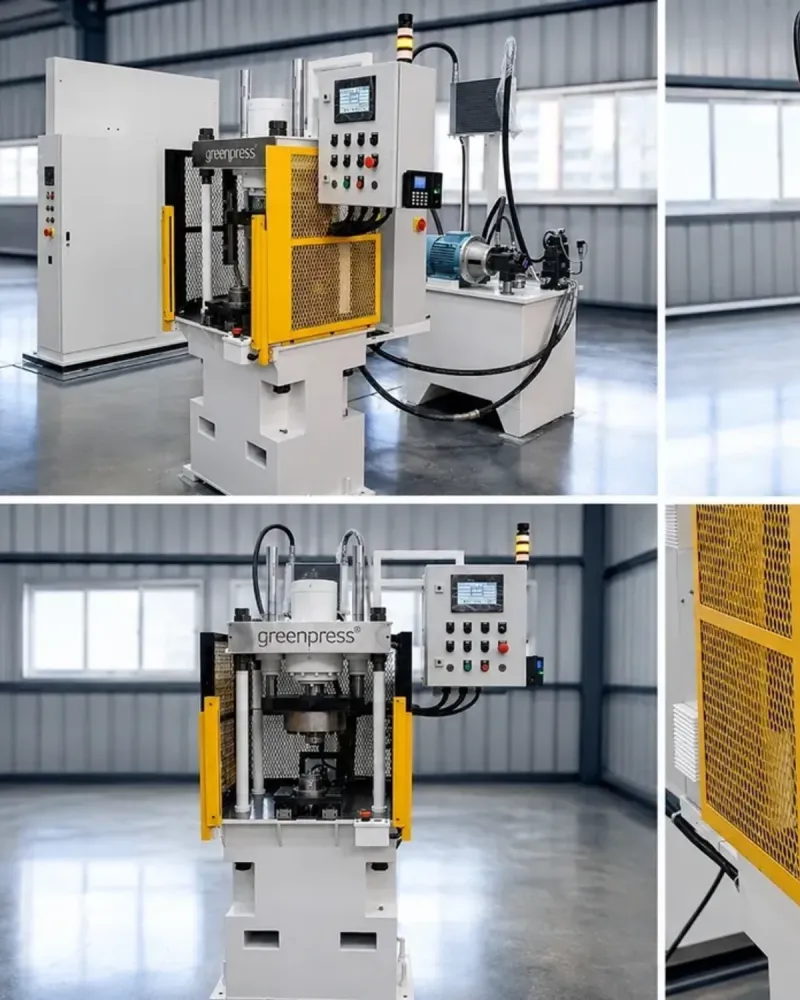
For precision assembly — press-fitting bearings, gears and shafts, riveting, crimping — an electric servo press is often the best choice. It controls force and position precisely, can check every part against a force–displacement window, and uses power only while the ram moves. Read our comparison of servo press vs hydraulic press for more.
Still not sure?
Tell us the job, the material and the part size. GreenPress® engineers will tell you whether a hydraulic press or a servo press suits it, and the tonnage you need. Send an enquiry or message us on WhatsApp.